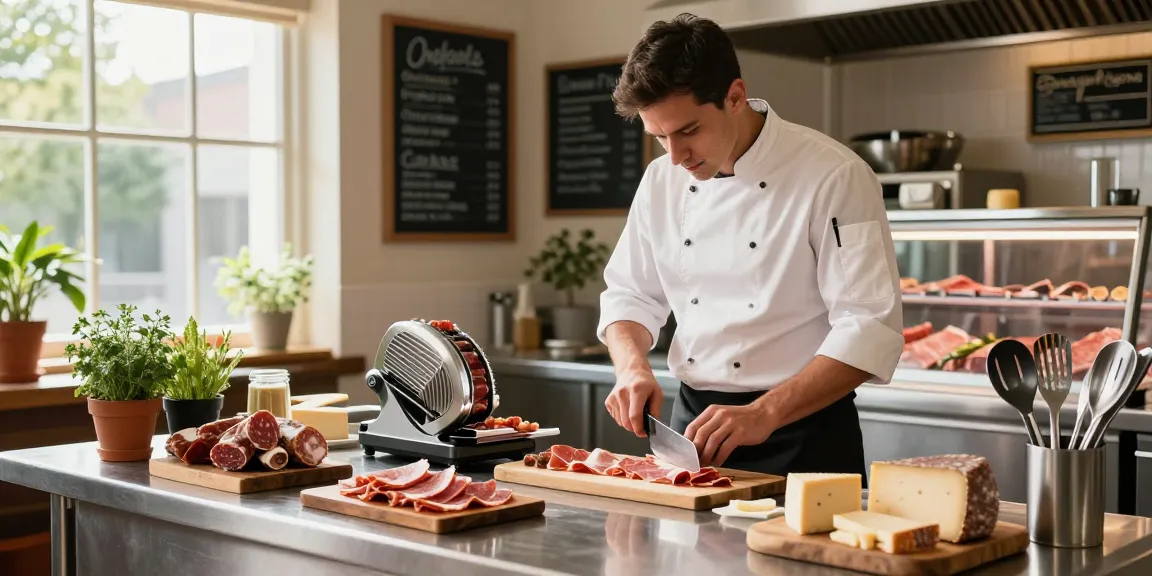
Understanding Deli Meat Slicers and Their Importance
In the fast-paced world of food service, efficiency and precision are paramount. Deli meat slicers play a vital role in achieving both. Whether you're preparing for a bustling deli, catering event, or simply addressing the needs of a busy kitchen, the right deli meat slicer can transform food preparation tasks from tedious to seamless. As the culinary landscape evolves, understanding the significance of these machines becomes essential for both professional chefs and home cooks alike. When exploring options, Deli Meat Slicers offer comprehensive insights into the equipment that can elevate your culinary practice.
What are Deli Meat Slicers?
Deli meat slicers are specialized machines designed for slicing various types of meat, cheese, and other food products with precision. Unlike standard kitchen knives, these slicers are engineered to provide uniform cuts, making them ideal for professional kitchens and delis where consistency in slice thickness is crucial. Most models come equipped with a rotating blade, allowing for efficient slicing that preserves the integrity and presentation of the food.
The Essential Role of Deli Meat Slicers in Food Preparation
The role of deli meat slicers extends beyond mere slicing. They significantly enhance food presentation and customer experience. In delis or sandwich shops, the way meats and cheeses are sliced can influence the overall quality of the dish offered. Precise cuts not only improve the aesthetics but also can affect the flavor profile and texture perceived by customers. Additionally, these slicers are designed to handle different types of products, from hard salamis to soft cheeses, showcasing their versatility in food preparation.
Benefits of Using Deli Meat Slicers for Professionals
- Consistency: Deli meat slicers ensure every slice is uniform, enhancing the overall presentation of dishes.
- Efficiency: With rapid slicing capabilities, these machines save valuable time in high-demand environments.
- Versatility: Suitable for slicing a variety of products, from deli meats to cheeses and even vegetables.
- Reduced Waste: Sharp blades and precise adjustments minimize product waste, maximizing profitability.
Choosing the Right Deli Meat Slicers
When selecting a deli meat slicer, it's important to consider several factors that will influence your choice. The market is filled with options ranging from manual to automatic models, each catering to different needs and budgets. Understanding these variables will help you make an informed decision.
Key Features to Look for in Deli Meat Slicers
- Blade Size: The diameter of the blade will determine the size of the product you can slice. Common sizes include 10", 12", and 14".
- Motor Power: A stronger motor allows for the slicing of harder products without overheating.
- Thickness Adjustment: The ability to adjust slice thickness is crucial for culinary versatility.
- Ease of Cleaning: Choose models that are easy to disassemble and clean to maintain hygiene standards.
- Safety Features: Look for models equipped with safety guards and auto shut-off mechanisms.
Comparative Review of Popular Deli Meat Slicers
To help you navigate the options, here are some of the top deli meat slicers available today:
- Berkel B3A: Known for its elegant design and exceptional performance, this slicer features a 12-inch blade and is suitable for both commercial and home use.
- MeatYourMaker 10-Inch: This electric slicer offers adjustable thickness and is perfect for those who need efficiency without compromising on quality.
- Chef’sChoice 615: An excellent choice for home cooks, this manual slicer is compact yet delivers professional-grade results.
Budget vs. Premium Deli Meat Slicers: What to Consider?
When budgeting for a deli meat slicer, consider the frequency of use and the volume of product being sliced. For occasional use, a budget model may suffice, but for heavy-duty applications, investing in a premium slicer will yield better performance and longevity.
- Budget Models: Typically cost-effective, these slicers are suitable for small kitchens or infrequent usage but may lack durability.
- Premium Models: Designed for commercial use, these slicers often feature advanced technology and greater reliability, which can justify their higher price.
Best Practices for Maintaining Deli Meat Slicers
Maintenance is crucial to ensure the longevity and performance of your deli meat slicer. Neglecting regular upkeep can lead to operational issues and compromise food safety standards.
Daily Maintenance Tips for Optimal Performance
- Clean After Use: Always clean the slicer after each use to prevent cross-contamination and buildup of residues.
- Check Blade Sharpness: A sharp blade is essential for smooth operation. Regularly inspect and sharpen the blade as needed.
- Inspect Machine Parts: Look for any signs of wear or damage and address them promptly to avoid operational hazards.
Safety Guidelines When Using Deli Meat Slicers
Using a deli meat slicer presents certain risks; hence following safety protocols is essential. Always operate the slicer with safety gloves and keep fingers away from the blade. Never attempt to slice frozen products unless the slicer is designed for that purpose. Additionally, ensure that all safety guards are in place before use to minimize the risk of injury.
Long-term Care to Ensure Longevity of Your Equipment
Incorporating long-term care into your maintenance routine involves regular professional servicing and proactive care. Schedule annual check-ups and replacements of worn parts to keep your equipment in top condition and avoid costly downtime.
Trends and Innovations in Deli Meat Slicers for 2026
The world of deli meat slicers is continually evolving, with technological advancements enhancing efficiency and user experience. As we look toward 2026, several key trends are emerging in the industry.
Emerging Technologies in Deli Meat Slicing
Smart technology integration is on the rise, with features such as digital controls and automated slicing mechanisms being incorporated into new models. These advancements not only make slicing easier but also enhance precision and consistency.
Eco-friendly Deli Meat Slicers: A Sustainable Choice
As sustainability becomes a priority in food service, manufacturers are looking to create energy-efficient models and utilize recyclable materials in production. Eco-friendly slicers contribute to reduced energy costs while appealing to environmentally conscious consumers.
The Future of Automated Deli Meat Slicers in Commercial Kitchens
Automation is set to redefine food preparation processes, with automated deli meat slicers taking center stage in commercial kitchens. These machines promise to increase productivity, allowing staff to focus on other essential tasks while ensuring that meat slicing remains consistent and fast.
Frequently Asked Questions About Deli Meat Slicers
What is the best deli meat slicer for home use?
For home use, a mid-range electric slicer like the Chef’sChoice 615 is often recommended due to its balance of quality and affordability.
How much do high-quality deli meat slicers cost?
High-quality deli meat slicers typically range from $500 to $3000, depending on their features, size, and intended use. Budget models may start lower, but professional-grade slicers are often more expensive.
Are there specific models recommended for professional kitchens?
Yes, models like the Berkel B3A and the MeatYourMaker 10-Inch are frequently recommended for professional kitchens due to their durability and performance under high-volume conditions.
What safety features should a deli meat slicer have?
Crucial safety features include blade guards, emergency stop buttons, secured cutting tables, and non-slip bases to prevent accidents during operation.
How often should deli meat slicers be serviced?
It's advisable to have deli meat slicers professionally serviced at least once a year, with more frequent inspections for high-usage models to ensure operational safety and efficiency.